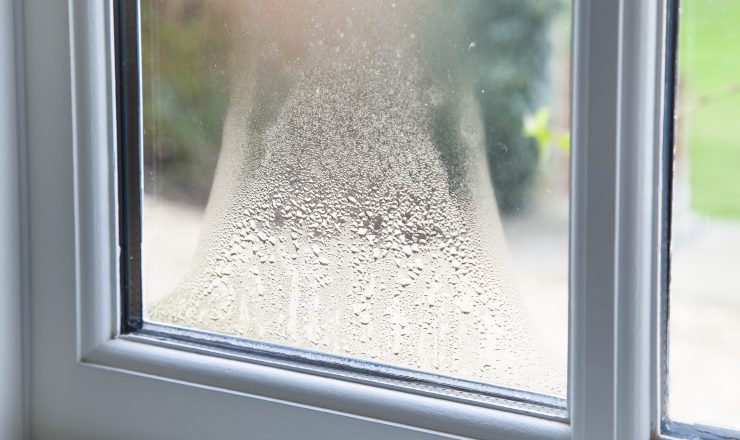
Glass Condensation Repair: Causes, Solutions, and Prevention
Glass condensation can be a significant issue for homeowners and services alike. It not only impairs vision however can also result in mold growth and structural damage in time. This post explores the reasons for glass condensation, numerous repair techniques, and preventive steps to maintain clear and practical glass in residential and business spaces.
Comprehending Glass Condensation
What is Glass Condensation?
Condensation on glass takes place when warm, wet air enters into contact with a cooler surface area. As the warm air cools, it loses its capability to hold moisture and the water vapor condenses into liquid droplets on the glass. This phenomenon is particularly typical in double-glazed windows, where moisture can become trapped between the panes.
Reasons For Glass Condensation
- Temperature level Differences: When the inside air is warmer than the outdoors air, condensation is most likely to form on the glass surface areas.
- High Humidity Levels: During seasons of high humidity, such as summer, the moisture content in the air increases, leading to more condensation opportunities on glass surface areas.
- Poor Ventilation: Inadequate air flow can trap humid air in enclosed spaces, increasing the possibility of condensation.
- Faulty Seals in Double-Glazing Units: If the seals in double-glazed windows stop working, moisture can go into the airspace in between the panes, causing condensation concerns.
Results of Glass Condensation
- Increased Energy Costs: Condensation can result in thermal ineffectiveness, triggering homes to lose heat throughout winter months.
- Mold Growth: Moist environments cultivate the growth of mold and mildew, posing health dangers.
- Structural Damage: Prolonged moisture can damage window frames and lead to rot.
Techniques for Glass Condensation Repair
Repairing glass condensation largely depends upon the source of the problem. Here are numerous techniques to think about:
1. Improving Ventilation
Description: Enhancing airflow within a space helps in reducing humidity levels.
Steps:
- Open windows to enable fresh air to flow.
- Usage exhaust fans in kitchens and restrooms to expel wet air.
- Consider installing a whole-house ventilation system.
2. Using Dehumidifiers
Description: A dehumidifier can efficiently decrease indoor humidity, helping to remove condensation.
Pros:
- Highly effective in damp environments.
- Adjustable settings for various spaces.
3. Repairing or Replacing Window Seals
Description: If double-glazed windows are fogged up, the seals might be compromised. Repairing or changing these seals can prevent moisture from entering.
Steps:
- Remove the existing sealant.
- Clean the relevant surfaces.
- Apply a replacement seal or consider a professional repair.
4. Window Treatments
Description: Using window treatments can assist insulate your windows.
Types:
- Thermal drapes: These can assist keep warm air in and cool air out.
- Window film: This can help in reducing heat transfer.
5. Glass Replacement
Description: If condensation persists and shows a bigger issue, changing the glass system might be required.
Signs that replacement is required:
- Persistent fogging that doesn't clear.
- Visible damage to the glass.
Table 1: Comparison of Repair Methods
| Repair Method | Effectiveness | Cost | Alleviate of Implementation |
|---|---|---|---|
| Improving Ventilation | Moderate to High | Low | Easy |
| Using Dehumidifiers | High | Moderate | Moderate |
| Repairing Window Seals | High | Moderate to High | Moderate |
| Using Window Treatments | Moderate | Low to Moderate | Easy |
| Glass Replacement | High | High | Low (professional help required) |
Prevention Tips
Avoiding glass condensation is typically more efficient than fixing it post-formation. Here are numerous methods to lessen the probability of condensation on glass surface areas:
- Maintain Indoor Temperature: Keep indoor temperatures consistent to minimize the occurrence of condensation.
- Use Humidity Monitoring: Install hygrometers to track humidity levels indoors. Aim for a humidity level listed below 60%.
- Insulate Windows: Use insulated window units to limit thermal distinctions in between inside and outside.
- Seal Leaks: Regularly examine for leakages in window frames and walls; seal these appropriately to prevent air infiltration.
FAQs about Glass Condensation Repair
Q1: Why does condensation kind on the inside of my windows?A1: Condensation kinds when warm, damp air encounters a cooler glass surface area. This is often an outcome of high humidity and temperature level variations in between inside and outdoors air. Q2: Can I fix condensation
myself?A2: Many repairs, such as enhancing ventilation and utilizing dehumidifiers, can be done by property owners. However, if concerns persist, particularly with double-glazed windows, it might need professional repair. Q3: How do I understand if my window seals are damaged?A3: Look for indications of fogging between the panes or moisture accumulation, which shows that the seal has likely failed. Q4: Is it worth replacing my windows to prevent condensation?A4: If your windows are old and have single-pane glass, changing them with energy-efficient double-glazed windows can significantly minimize
condensation problems and improve energy performance. Glass condensation can cause different issues, ranging from small visual disturbances to serious structural damage. By comprehending the causes and using
efficient repair strategies, people can mitigate these problems and ensure clear, practical glass in their homes and workplaces. please click the following page and preventive measures will further aid in avoiding future condensation issues, permitting a more comfortable and healthier indoor environment. With the ideal technique, house owners can tackle this typical concern successfully, boosting the durability and performance of their glass installations.